Epitalon vs Endoluten (A-8 Pineal)
The synthetic sequence versus the natural extract
These are the two forms of the same idea, and people routinely confuse them. Epitalon is a defined four-amino-acid peptide, Ala-Glu-Asp-Gly, that you can verify by molecular weight. Endoluten is a natural peptide complex extracted from animal pineal tissue, sold in capsules, whose exact composition is not published, so there is no sequence or weight to check. Both trace to Khavinson's work and both are aimed at the pineal gland and ageing. If you want to know what you are actually taking, the synthetic one is the only one that can tell you.
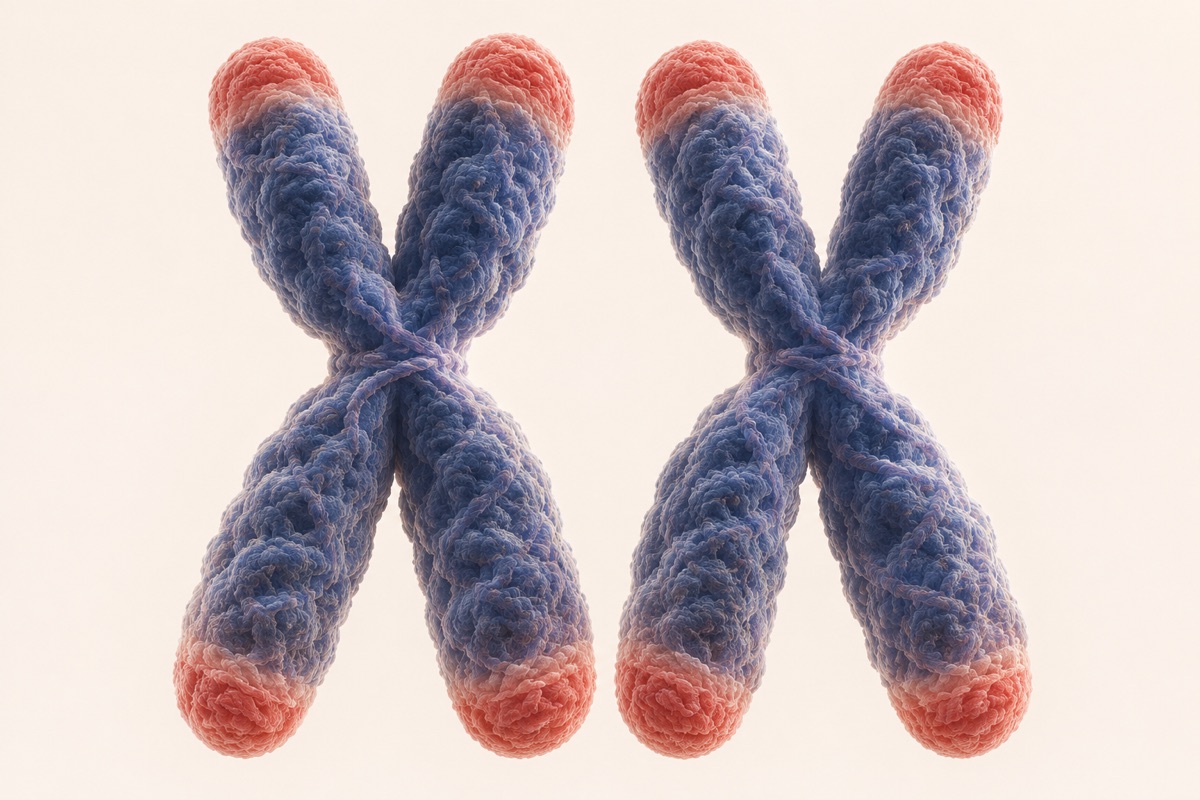 Epitalon
Longevity
Epithalon, AEDG peptide
Full entry →
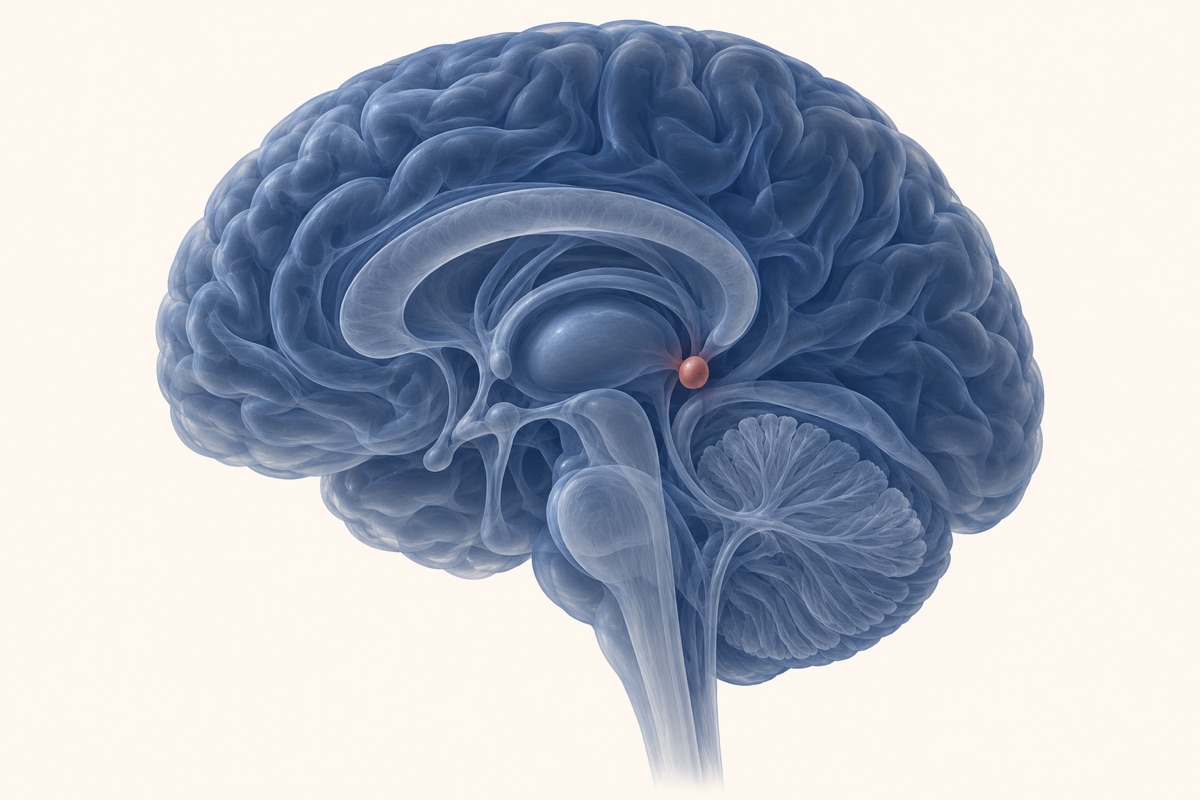 Endoluten (A-8 Pineal)
Brain & nervous system
BioPineal, Peptide complex A-8
Full entry →
| Epitalon | Endoluten (A-8 Pineal) | |
|---|---|---|
| Evidence behind it | Human trials | Preliminary |
| Worth knowing | Long-term human studies come from a single Russian group and have not been replicated independently. | This is an animal-derived supplement, not a characterised single peptide — the exact composition is not public, so there is no sequence or molecular weight to verify. Supporting studies come almost entirely from the group that developed the line, and the category is regulated as a dietary supplement rather than a medicine. |
| Approval | Research only | Supplement / supply |
| Category | Longevity | Brain & nervous system |
| What it is | A four-amino-acid synthetic peptide developed in Russia from a pineal gland extract called epithalamin. It is studied for switching on telomerase, the enzyme that maintains chromosome ends, and for effects on melatonin release. Rodent studies reported longer lifespans. | A natural peptide complex extracted from the pineal gland of young animals, sold in capsules rather than as a synthetic peptide. It belongs to the Cytomax line of organ bioregulators developed from Vladimir Khavinson's work — the idea being that peptides from an organ carry signals that help that same organ in the recipient. |
| How it works | The synthetic tetrapeptide (Ala-Glu-Asp-Gly) matching the active sequence of the natural pineal complex. Reported to activate telomerase and restore melatonin rhythm. | Khavinson peptides are short enough — two to four amino acids — to survive digestion and cross cell and nuclear membranes intact. The proposed mechanism is that they dock onto specific sites on nuclear DNA and change which genes are switched on, rather than acting on a surface receptor like most peptides. The organ-specificity claim is that peptides taken from one organ act selectively on that same organ in the recipient. |
| What studies report |
|
|
| Dosing | From studies
Reported, not evidence
| No published dose, and no community figure we would repeat |
| Why people take it | Telomere length and longevityMelatonin and circadian rhythmAge-related declineSleep and melatonin rhythm | Sleep and circadian rhythmMelatonin restorationTelomere and longevity supportUsed as a foundational base in stacksHormonal rhythm with age |
| In practice |
|
|
| Route | Subcutaneous injection, or oral in the capsule bioregulator form; also sold as a ready-made intranasal spray | Oral capsule — small enough to survive digestion intact, which is the whole point of the class |
Rows describing reported use say what people do, not what has been shown to work. Evidence strength is graded the same way across the whole library, so the two columns are directly comparable.
Read the full entries
Other comparisons
- BPC-157 vs KPV
- Tesamorelin vs MK-677
- Retatrutide vs Tirzepatide
- Thymosin-α1 vs Thymogen
- MOTS-c vs 5-Amino-1MQ
- BPC-157 vs Thymosin-β4
Educational information only. Nothing here is medical advice, a dosing protocol, or a recommendation to use any compound. Comparing two compounds is not a suggestion to take either one. Talk to a licensed clinician before acting on anything you read here. How to read these entries.