MOTS-c vs 5-Amino-1MQ
Both metabolic, both missing the same thing
They are often stacked and marketed interchangeably for fat loss, and they share a weakness. MOTS-c is a peptide encoded inside mitochondrial DNA that acts like a hormone, activating AMPK and improving how muscle handles glucose. 5-Amino-1MQ is not a peptide at all, but a small molecule that blocks NNMT so fat cells stop draining their nicotinamide. Both produced striking results in mice. Neither has a published human administration trial, so every dose either is sold at comes from practice rather than evidence.
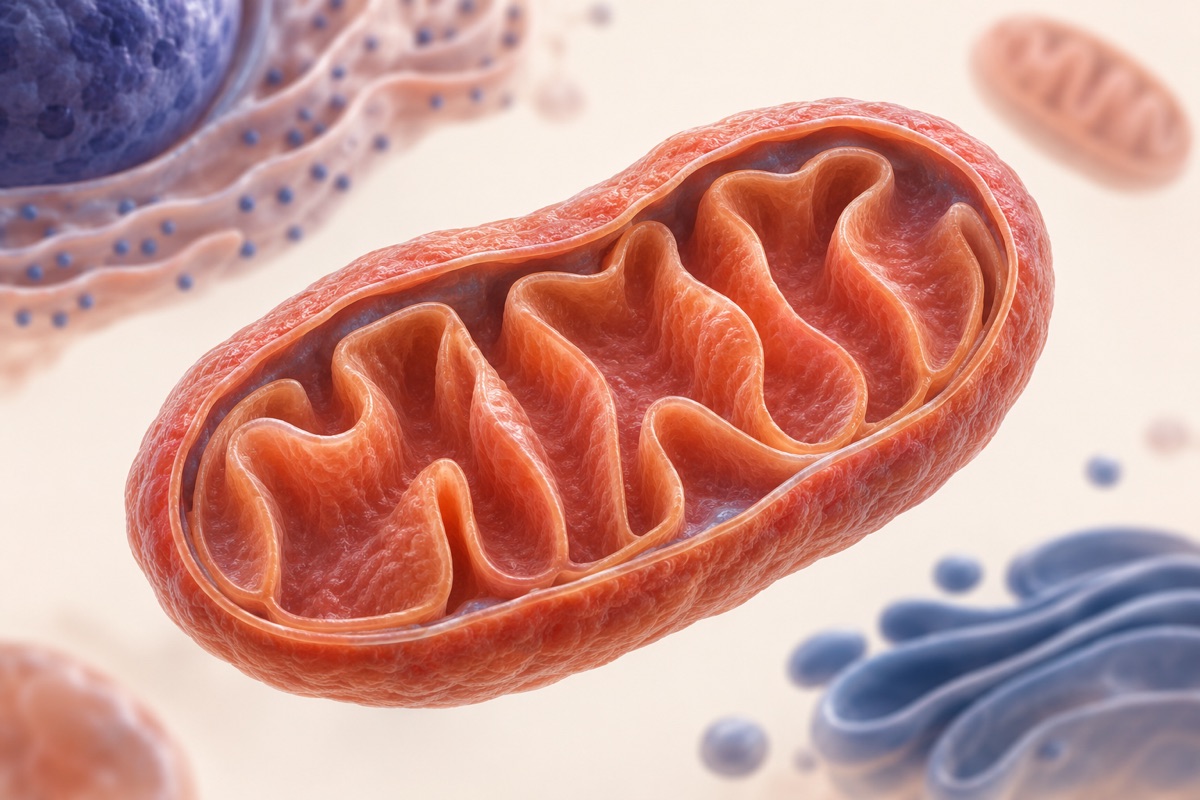 MOTS-c
Metabolic
Mitochondrial ORF of the 12S rRNA type-c
Full entry →
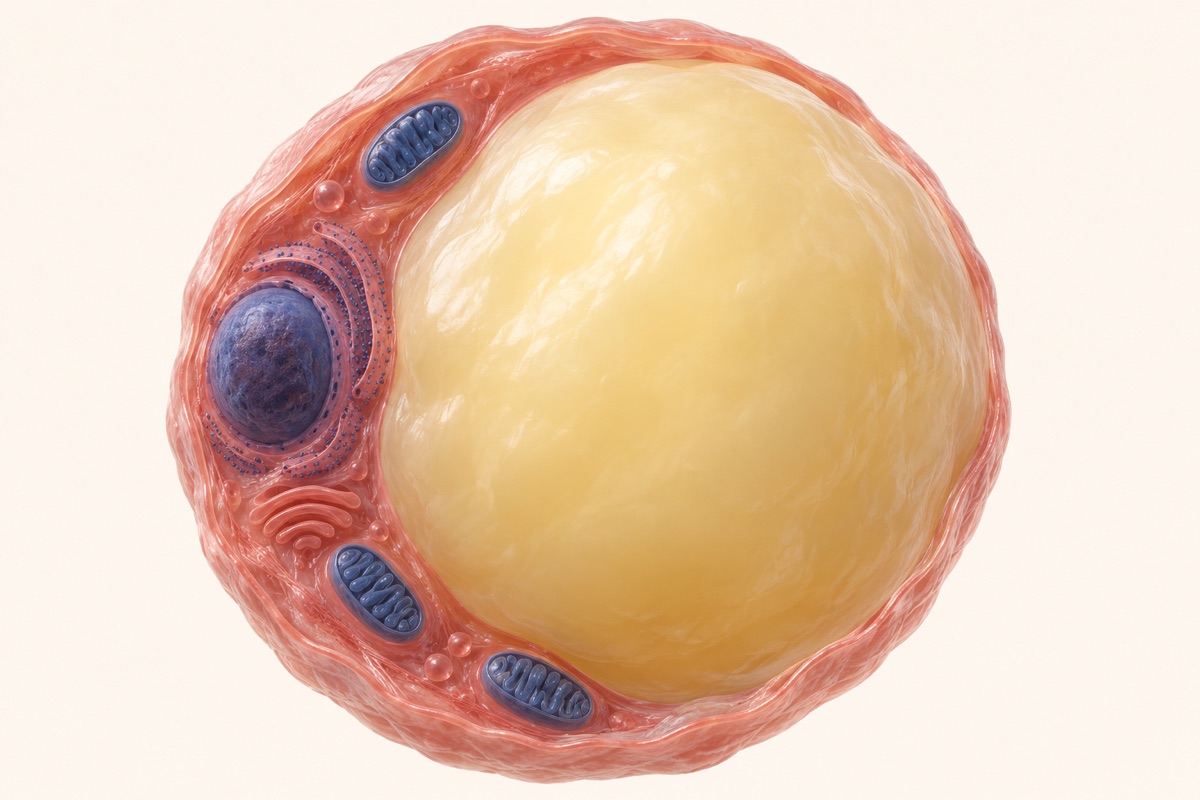 5-Amino-1MQ
Metabolic
5-amino-1-methylquinolinium, NNMTi
Full entry →
| MOTS-c | 5-Amino-1MQ | |
|---|---|---|
| Evidence behind it | Animal studies | Animal studies |
| Worth knowing | The human side is observational. No trials of giving MOTS-c to people. | Mouse and cell-culture data only, and no human trial has been published. Oral bioavailability in people is unestablished. |
| Approval | Research only | Research only |
| Category | Metabolic | Metabolic |
| What it is | A 16-amino-acid peptide encoded in mitochondrial DNA. It acts like a hormone, activating the energy sensor AMPK and improving how muscle uses glucose. In mice it countered diet-induced obesity and insulin resistance and improved exercise capacity, and levels rise with exercise in people. | Not a peptide — a small molecule that blocks NNMT, an enzyme fat cells use to burn through their nicotinamide supply. Blocking it raises cellular NAD+ and, in mice, made fat cells shed stored fat without any change in diet. |
| How it works | Encoded inside mitochondrial DNA. Acts on metabolism — reported to raise ATP production during exercise and shift white fat toward brown fat. | Blocks NNMT, the enzyme fat cells use to consume nicotinamide. With that drain closed, cellular NAD+ and SAM rise, which is the proposed route to increased fat metabolism. |
| What studies report |
|
|
| Dosing | Reported, not evidence
| Reported, not evidence
|
| Why people take it | Metabolic rate and fat lossExercise capacity and ATP productionInsulin sensitivityLongevityMetabolic health and insulin sensitivityExercise capacity | Fat loss without appetite suppressionRaising NAD+ at the cellular levelMuscle cell growth and repair |
| In practice |
|
|
| Route | Subcutaneous injection, from reconstituted lyophilised powder | Oral capsule — a small molecule, so digestion is not a barrier; also sold as a ready-made intranasal spray |
Rows describing reported use say what people do, not what has been shown to work. Evidence strength is graded the same way across the whole library, so the two columns are directly comparable.
Read the full entries
Other comparisons
- BPC-157 vs Thymosin-β4
- CJC-1295 (with DAC) vs CJC-1295 without DAC
- Semaglutide vs Tirzepatide
- Ipamorelin vs GHRP-2
- GHK-Cu vs GHK
- Semax vs Selank
Educational information only. Nothing here is medical advice, a dosing protocol, or a recommendation to use any compound. Comparing two compounds is not a suggestion to take either one. Talk to a licensed clinician before acting on anything you read here. How to read these entries.