Retatrutide vs Tirzepatide
Two receptors against three
Tirzepatide agonises GIP and GLP-1; retatrutide adds glucagon, which raises energy expenditure rather than only suppressing intake. On paper that should win, and in phase 2 it did, with roughly 24% body weight lost over 48 weeks, with the curve still falling. The difference that matters is certainty. Tirzepatide is approved, with phase 3 data and a head-to- head win over semaglutide. Retatrutide has one phase 2 trial, no approval, and is already being sold as a research chemical on the strength of it.
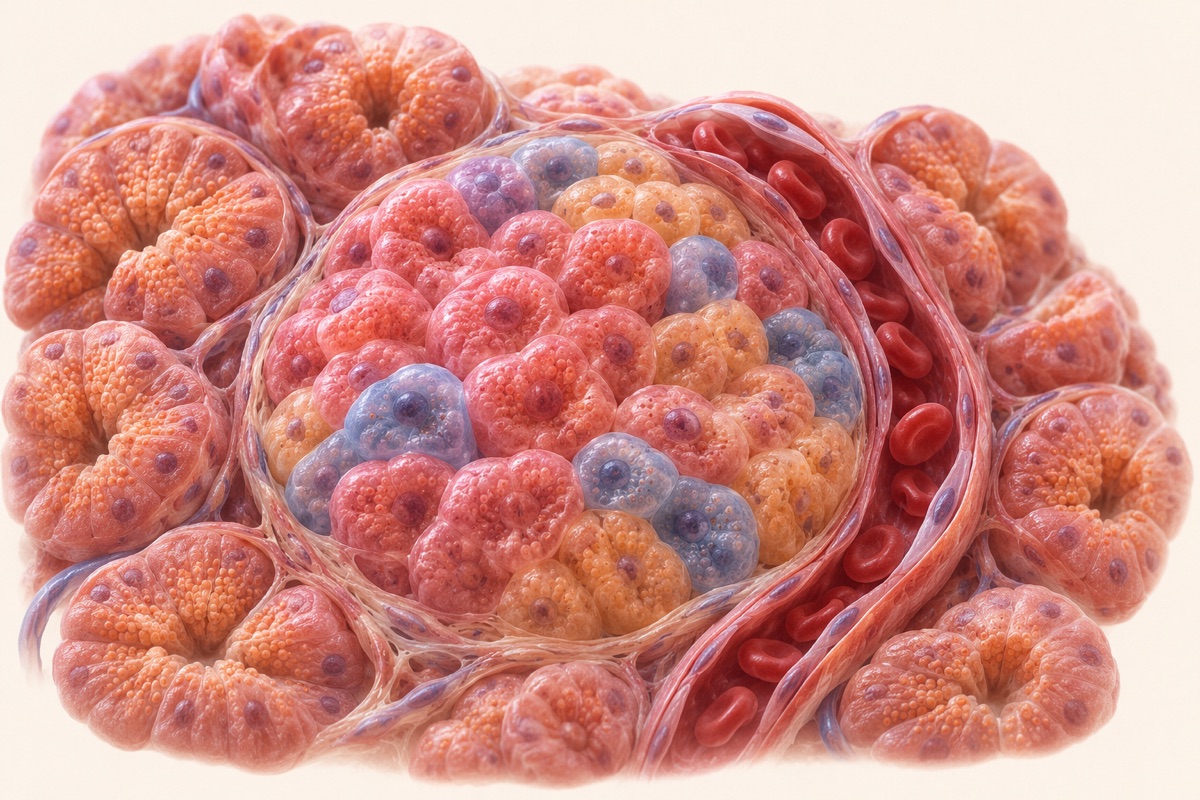 Retatrutide
Metabolic
LY3437943, Triple G
Full entry →
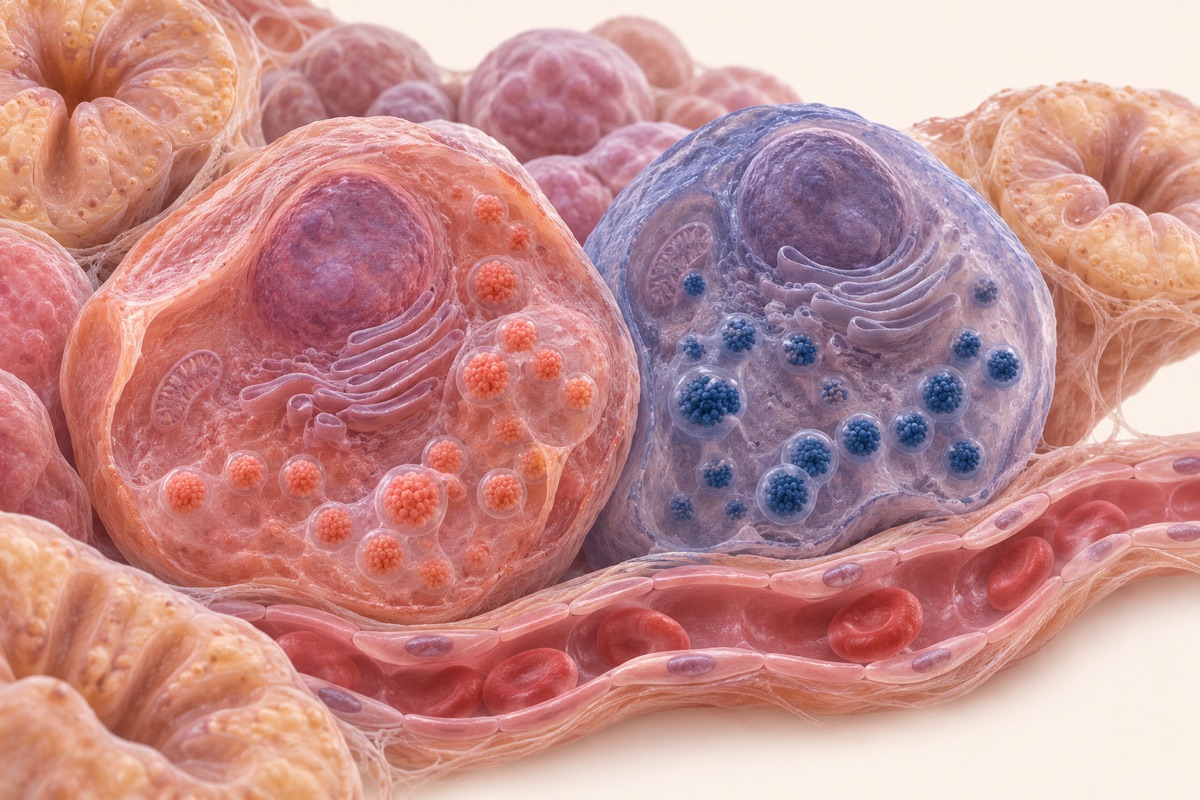 Tirzepatide
Metabolic
Mounjaro, Zepbound
Full entry →
| Retatrutide | Tirzepatide | |
|---|---|---|
| Evidence behind it | Human trials | Human trials |
| Worth knowing | Not approved anywhere. Glucagon receptor activation raises heart rate more than the dual agonists do, and the long-term consequence of that is unknown. Everything currently sold is unapproved material of unverified identity, bought on the basis of one phase 2 trial. | The same gastrointestinal profile as semaglutide and the same boxed warning for thyroid C-cell tumours. Weight returns on stopping — SURMOUNT-4 showed substantial regain after withdrawal. Being newer, its long-term safety record is shorter than semaglutide's. |
| Approval | In trials | Approved · US & EU |
| Category | Metabolic | Metabolic |
| What it is | A triple agonist — GIP, GLP-1 and glucagon receptors together. Adding glucagon is the novel part: it raises energy expenditure rather than only reducing intake. Phase 2 produced the largest weight loss yet reported for a drug of this kind. | A 39-amino-acid peptide that hits two gut hormone receptors at once — GIP as well as GLP-1. That second target is what appears to separate it: in head-to-head trials it outperforms semaglutide on weight. |
| How it works | Agonist at three receptors at once. GLP-1 and GIP suppress appetite and improve insulin handling; glucagon receptor activation increases energy expenditure and drives hepatic fat breakdown — the combination attacks both sides of the energy balance. | A dual agonist at both the GIP and GLP-1 receptors. GLP-1 activation does what it does for semaglutide; adding GIP appears to improve insulin sensitivity and may blunt some of the nausea, though exactly why the combination works better is not settled. |
| What studies report |
|
|
| Dosing | From studies
Reported, not evidence
| From studies
Reported, not evidence
|
| Why people take it | Weight lossType 2 diabetesFatty liver disease | Weight lossType 2 diabetesObstructive sleep apnoeaAppetite reduction |
| In practice |
|
|
| Route | Subcutaneous injection, weekly | Subcutaneous injection, weekly |
Rows describing reported use say what people do, not what has been shown to work. Evidence strength is graded the same way across the whole library, so the two columns are directly comparable.
Read the full entries
Other comparisons
- Thymosin-α1 vs Thymogen
- MOTS-c vs 5-Amino-1MQ
- BPC-157 vs Thymosin-β4
- CJC-1295 (with DAC) vs CJC-1295 without DAC
- Semaglutide vs Tirzepatide
- Ipamorelin vs GHRP-2
Educational information only. Nothing here is medical advice, a dosing protocol, or a recommendation to use any compound. Comparing two compounds is not a suggestion to take either one. Talk to a licensed clinician before acting on anything you read here. How to read these entries.