AOD 9604
Healing & repair In trials Human trials
Also called AOD9604, Tyr-hGH fragment 177-191
The last 16 amino acids of human growth hormone — the fragment thought to carry its fat-breakdown effect without the growth signalling. It was developed as an obesity drug, failed at that, and has since been repurposed toward cartilage and joint repair.
Evidence at a glance
- Evidence
- Human trials — Studied in people
- Status
- Reached clinical trials
- Dosing
- A dose has been tested in humans
Its original indication failed outright in controlled trials. The osteoarthritis work is early and much of it comes from the group commercialising it. Being a growth hormone fragment, it is widely assumed to be safer than growth hormone itself — that assumption is reasonable but not established. It is also routinely sold as “hGH fragment 176-191”, which is a different molecule: AOD 9604 is the 177-191 sequence with a tyrosine added to the front and weighs 1815.1 against the fragment's 1799.1.
What studies report
- Failed to beat placebo for weight loss in phase 2b obesity trials
- Reported improvements on the WOMAC osteoarthritis index when combined with hyaluronic acid
- Promoted cartilage and bone cell differentiation in laboratory studies
How it works
Reported to stimulate fat breakdown and inhibit fat formation without binding the growth hormone receptor, so it does not raise IGF-1. In joint work it is reported to promote cartilage matrix production by chondrocytes.
Where it acts
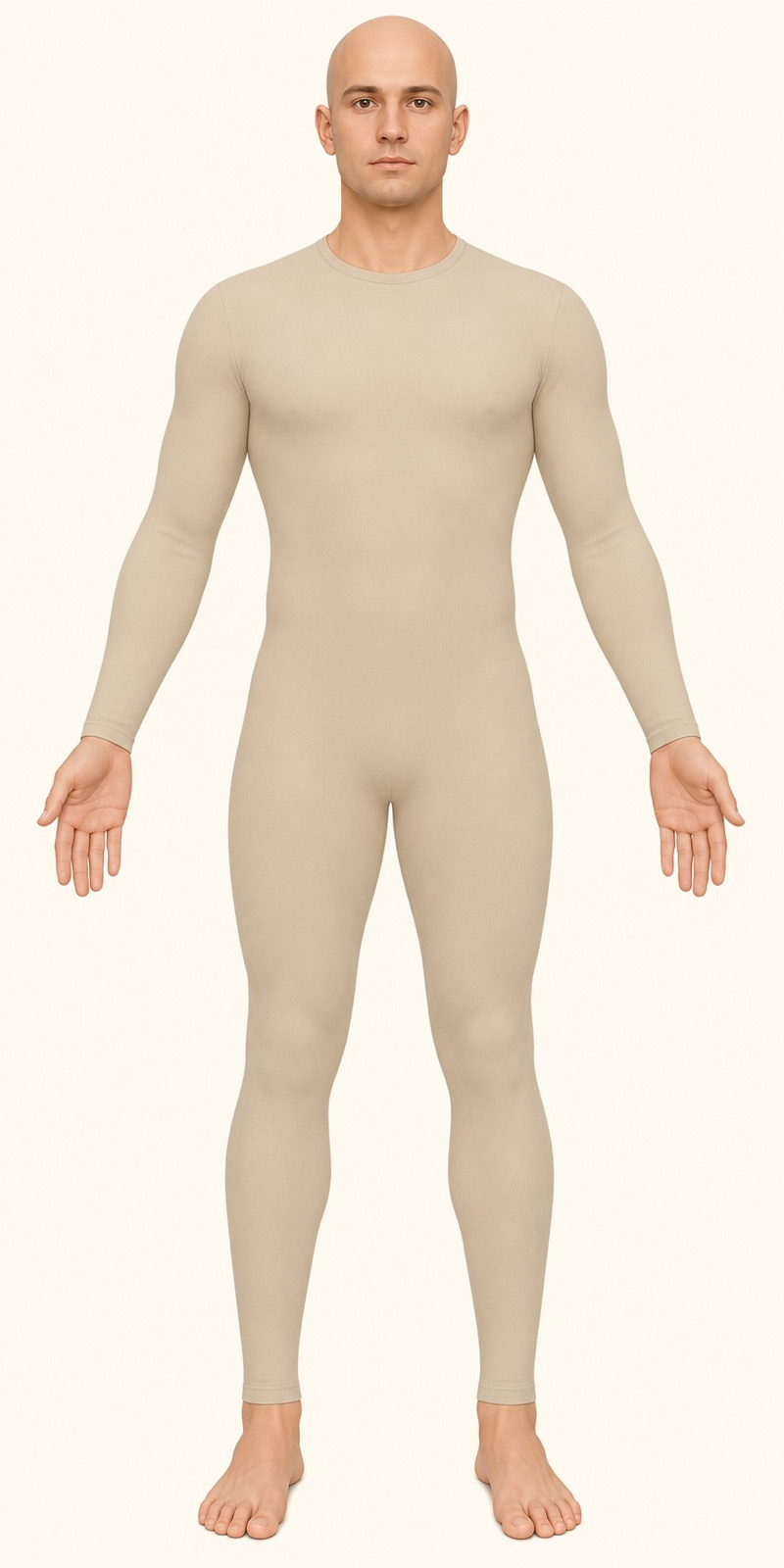 Joints & cartilage
The library groups this compound under Healing & repair. The diagram shows that target, not every tissue it reaches.
Illustrated
AI-generated subject illustration; not a depiction of the compound or evidence of its effects.
Why people take it
Reasons people seek it out — not a list of proven effects.
In practice Unapproved use
- Mostly encountered now as a joint injection compounded with hyaluronic acid, not as a fat-loss agent
- Still marketed for fat loss despite the trials that did not support it
Reported real-world use, not evidence and not a recommendation.
Dosing
What was tested Evidence
- 1 mg daily, oral12 weeksPhase 2b obesity trial→ Did not beat placebo for weight loss
- Intra-articular with hyaluronic acid, weekly then monthlyOsteoarthritis studies→ Reported WOMAC improvements
What people report using Not evidence
- Mostly encountered now as a compounded joint injection
Reported for reference, not as instruction. Nothing here is a recommendation to take anything, and most of these compounds are not approved for human use.
Status: Phase 2 trials for obesity were unsuccessful. Not approved as a medicine; holds food-ingredient status in some jurisdictions.
- Route
- Subcutaneous injection; also compounded with hyaluronic acid for injection into a joint; also sold as a ready-made intranasal spray
- Molecular weight
- 1815.1 g/mol
- Available as
- Compounded vials
Search PubMed for AOD 9604 → We link a live search rather than a fixed citation list, so it stays current and nothing here is a reference we have not checked.
Educational information only. Nothing here is medical advice, a dosing protocol, or a recommendation to use any compound. Most entries describe substances not approved for human use. Talk to a licensed clinician before acting on anything you read here. How to read these entries.