AHK-Cu
Skin & hair Research only Cell culture only
Also called Copper tripeptide AHK, Ala-His-Lys copper
A three-amino-acid peptide carrying a copper ion, the close relative of GHK-Cu. Where GHK-Cu is associated mostly with skin, AHK-Cu is marketed for hair, on the basis that it supports the blood vessels feeding the follicle.
Evidence at a glance
- Evidence
- Preliminary — Very little published work
- Status
- Research compound only
- Dosing
- No human study has set a dose
The evidence is cell and tissue culture, not people. AHK-Cu has nothing like the controlled topical trial record that GHK-Cu has, and the two are often marketed as interchangeable when only one has been tested on human skin.
What studies report
- Longer hair shafts and larger follicles in cultured human hair follicles
- Increased VEGF, a blood-vessel growth signal, in follicle cell culture
- Copper peptides as a class improve collagen production in skin cell culture
How it works
Delivers copper into cells, as GHK-Cu does, and is associated with raised VEGF signalling around the hair follicle, which would increase the blood supply a growing follicle depends on.
Where it acts
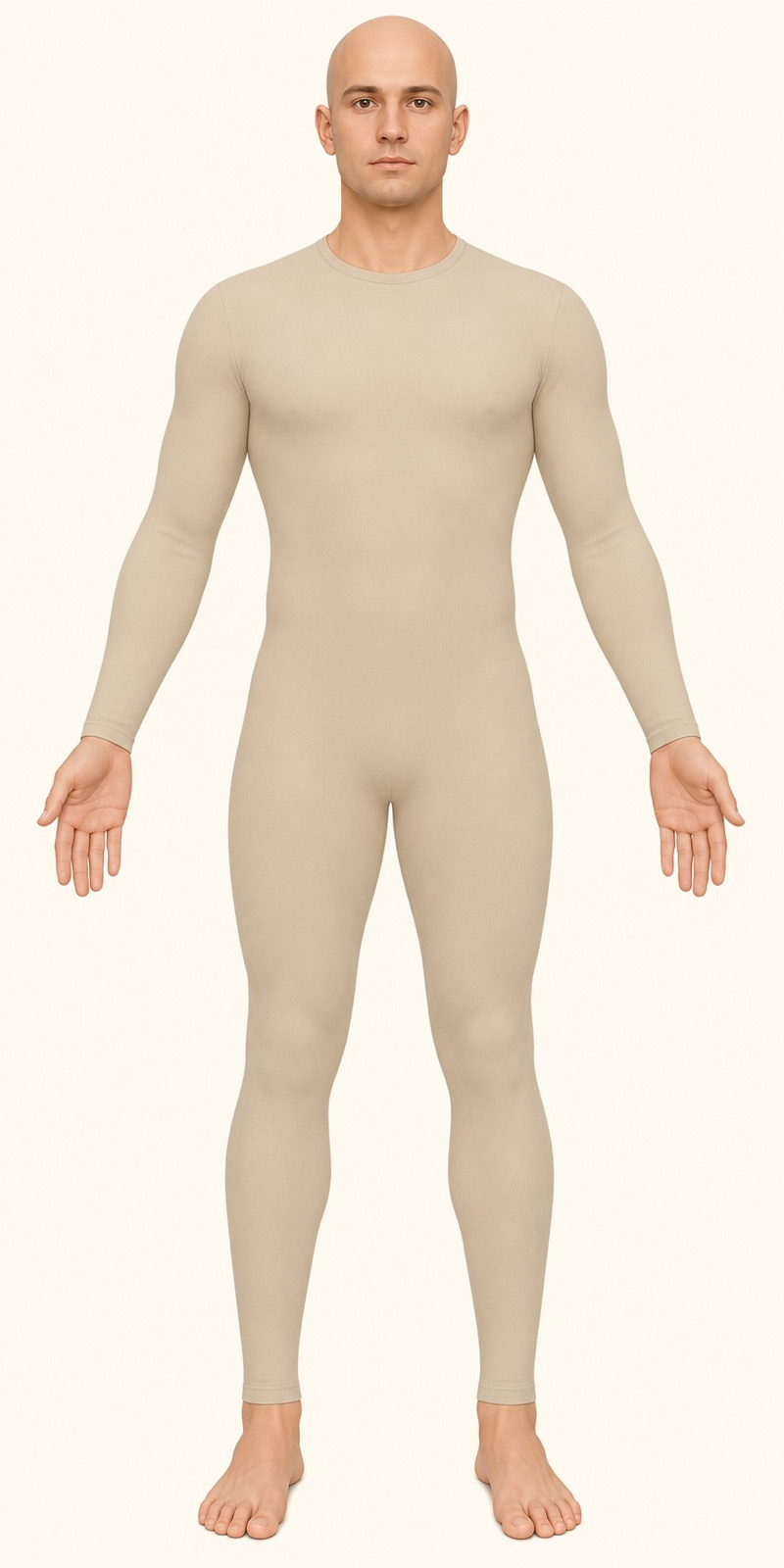 Acts in the skin, throughout the body
The library groups this compound under Skin & hair. The diagram shows that target, not every tissue it reaches.
Illustrated
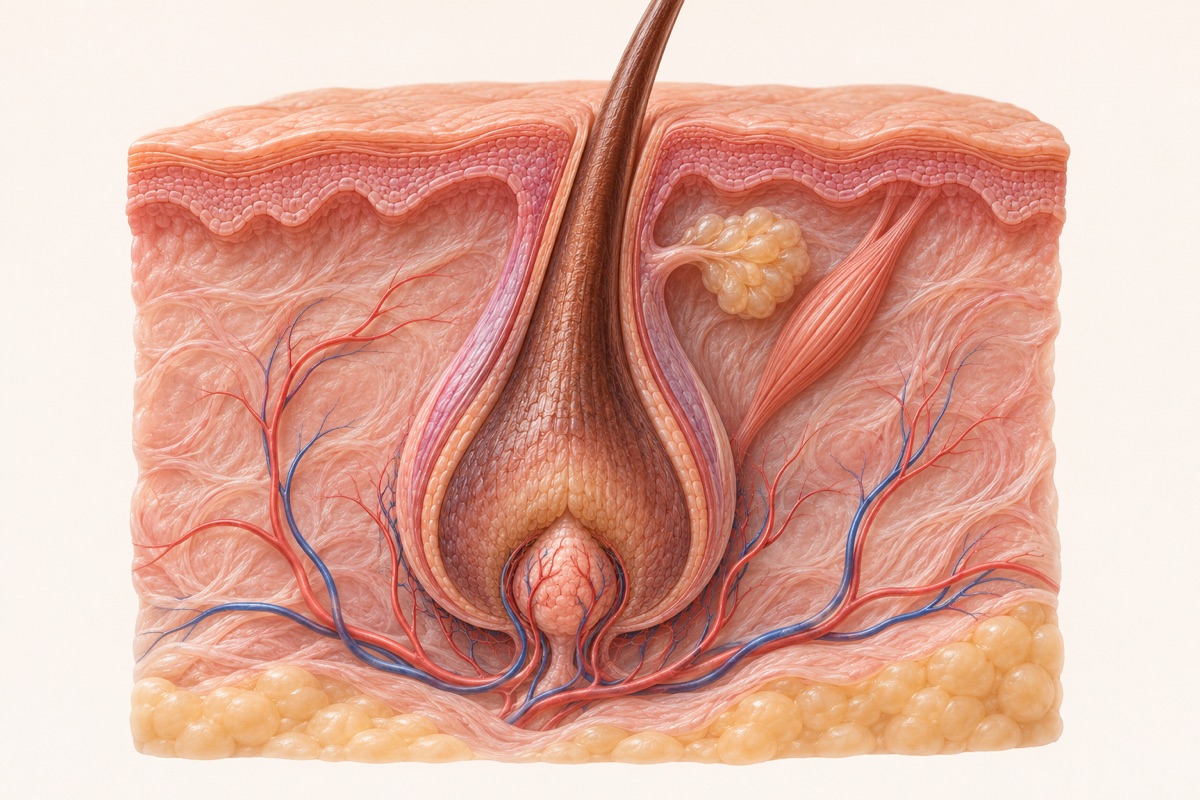
AI-generated subject illustration; not a depiction of the compound or evidence of its effects.
Why people take it
Reasons people seek it out — not a list of proven effects.
In practice Unapproved use
- Used topically on the scalp, usually combined with GHK-Cu and often with minoxidil
- Appears in hair serums at low percentages
- Sometimes microneedled into the scalp, which has no supporting evidence
Reported real-world use, not evidence and not a recommendation.
Status: Used as a cosmetic ingredient. Not an approved medicine.
- Route
- Topical on skin or scalp
- Sequence
- Ala-His-Lys · Cu²⁺
- Available as
- 50 mg, 100 mg
Search PubMed for AHK-Cu → We link a live search rather than a fixed citation list, so it stays current and nothing here is a reference we have not checked.
Educational information only. Nothing here is medical advice, a dosing protocol, or a recommendation to use any compound. Most entries describe substances not approved for human use. Talk to a licensed clinician before acting on anything you read here. How to read these entries.