TP508
Healing & repair In trials Human trials
Also called Chrysalin, Rusalatide acetate
A 23-amino-acid peptide copied from a non-clotting region of human thrombin. It signals blood vessel lining cells and stem cells to start repair, improving blood supply at injury sites. It has been tested for diabetic foot ulcers, fracture healing and radiation injury.
Evidence at a glance
- Evidence
- Human trials — Studied in people
- Status
- Reached clinical trials
- Dosing
- No human study has set a dose
Later trials did not clearly confirm the early results and development stalled.
What studies report
- Faster closure of diabetic foot ulcers in phase 2
- Faster fracture healing signals in a distal radius trial
- Protection against radiation injury in animals
How it works
A fragment of thrombin that keeps the repair signalling without the clotting. It binds receptors on blood vessel lining and stem cells, restoring blood flow and recruiting repair cells to an injury.
Where it acts
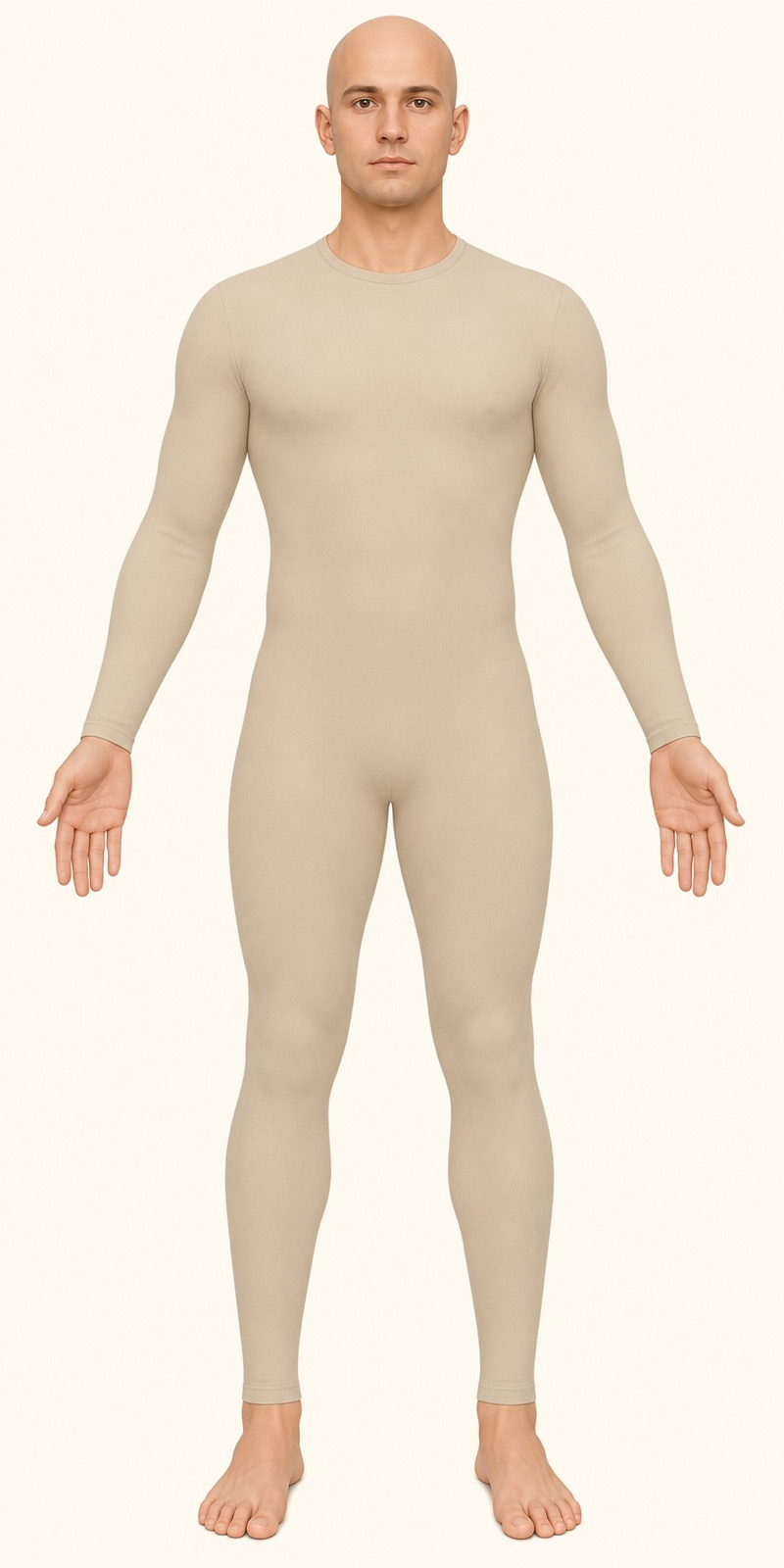 Joints & cartilage
The library groups this compound under Healing & repair. The diagram shows that target, not every tissue it reaches.
Illustrated
AI-generated subject illustration; not a depiction of the compound or evidence of its effects.
Why people take it
Reasons people seek it out — not a list of proven effects.
In practice Unapproved use
- Rarely available; occasional use for stubborn wounds
Reported real-world use, not evidence and not a recommendation.
Status: Reached phase 2/3 trials for wounds and fractures. Not approved.
- Route
- Subcutaneous injection, from reconstituted lyophilised powder
- Sequence
- AGYKPDEGKRGDACEGDSGGPFV
- Formula
- C97H146N28O36S
- Molecular weight
- 2312.4 g/mol
- CAS
- 121341-81-9
- Available as
- 5 mg
Search PubMed for TP508 → We link a live search rather than a fixed citation list, so it stays current and nothing here is a reference we have not checked.
Educational information only. Nothing here is medical advice, a dosing protocol, or a recommendation to use any compound. Most entries describe substances not approved for human use. Talk to a licensed clinician before acting on anything you read here. How to read these entries.