Thymosin-β4 Fragment 17-23
Healing & repair Research only Animal studies
Also called LKKTETQ, the 'TB-500' active region
Seven amino acids from the middle of thymosin-β4 that contain its main actin-binding site. On its own this stretch promoted cell migration, new blood vessels, wound closure and hair growth in lab and animal studies. It is found naturally in wound fluid.
Evidence at a glance
- Evidence
- Animal studies — Not yet studied in people
- Status
- Research compound only
- Dosing
- No human study has set a dose
Animal and cell data only. This short stretch is often what is actually sold as 'TB-500'.
What studies report
- Promoted cell migration, new blood vessels and wound closure in lab and animal studies
- Stimulated hair growth in rodent studies
How it works
The actin-binding stretch from the middle of thymosin-β4. On its own it promotes cell migration and new blood vessel growth, and it turns up naturally in wound fluid as the parent peptide degrades.
Where it acts
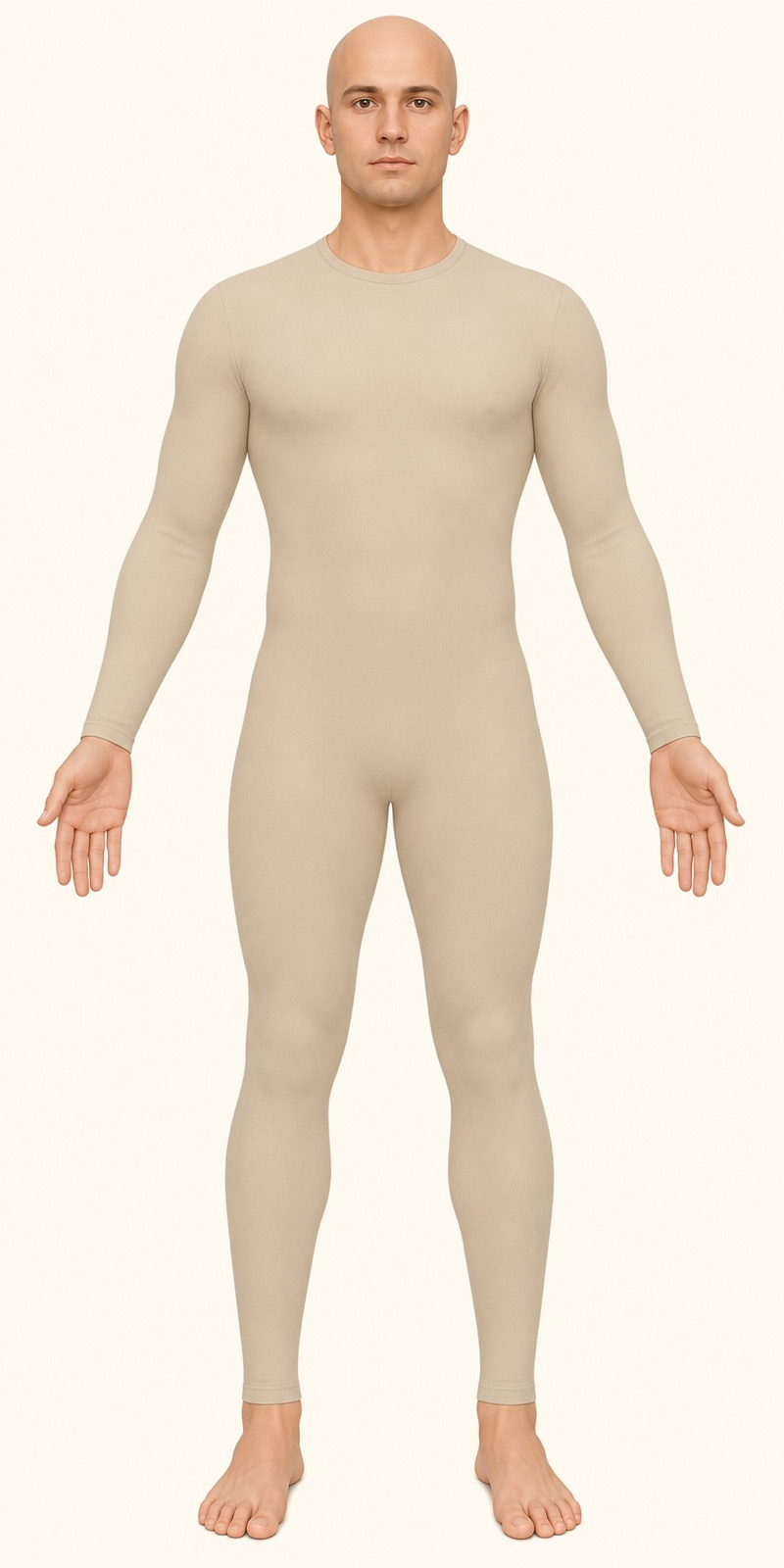 Joints & cartilage
The library groups this compound under Healing & repair. The diagram shows that target, not every tissue it reaches.
Illustrated
AI-generated subject illustration; not a depiction of the compound or evidence of its effects.
Why people take it
Reasons people seek it out — not a list of proven effects.
In practice Unapproved use
- Frequently what is actually sold as 'TB-500'
- Used interchangeably with the full peptide by most buyers
Reported real-world use, not evidence and not a recommendation.
Status: Animal and cell research only.
- Route
- Subcutaneous injection, from reconstituted lyophilised powder
- Sequence
- Leu-Lys-Lys-Thr-Glu-Thr-Gln
- Available as
- 10 mg
Search PubMed for Thymosin-β4 Fragment 17-23 → We link a live search rather than a fixed citation list, so it stays current and nothing here is a reference we have not checked.
Educational information only. Nothing here is medical advice, a dosing protocol, or a recommendation to use any compound. Most entries describe substances not approved for human use. Talk to a licensed clinician before acting on anything you read here. How to read these entries.