NAD+
Longevity Supplement / supply Human trials
Also called Nicotinamide adenine dinucleotide
Not a peptide. A coenzyme present in every living cell that carries electrons in the reactions that turn food into energy. It is also consumed by sirtuins and PARP enzymes, which handle DNA repair and gene regulation. Levels decline with age, which drives interest in restoring them.
Evidence at a glance
- Evidence
- Human trials — Studied in people
- Status
- Supplement or supply
- Dosing
- A dose has been tested in humans
Raising NAD+ is easy; showing it does something useful has not been achieved. IV NAD+ is unstudied and expensive.
What studies report
- Central to energy metabolism and DNA repair, well established
- Precursor supplements (NR, NMN) reliably raise blood NAD+ in human trials
- Benefits on strength, metabolism and aging markers have been small or absent in those trials
How it works
Carries electrons between its oxidised and reduced forms in the reactions that extract energy from food. It is also consumed as a substrate by sirtuins and PARPs, the enzymes handling DNA repair and gene regulation — which is why levels fall as repair demand rises.
Where it acts
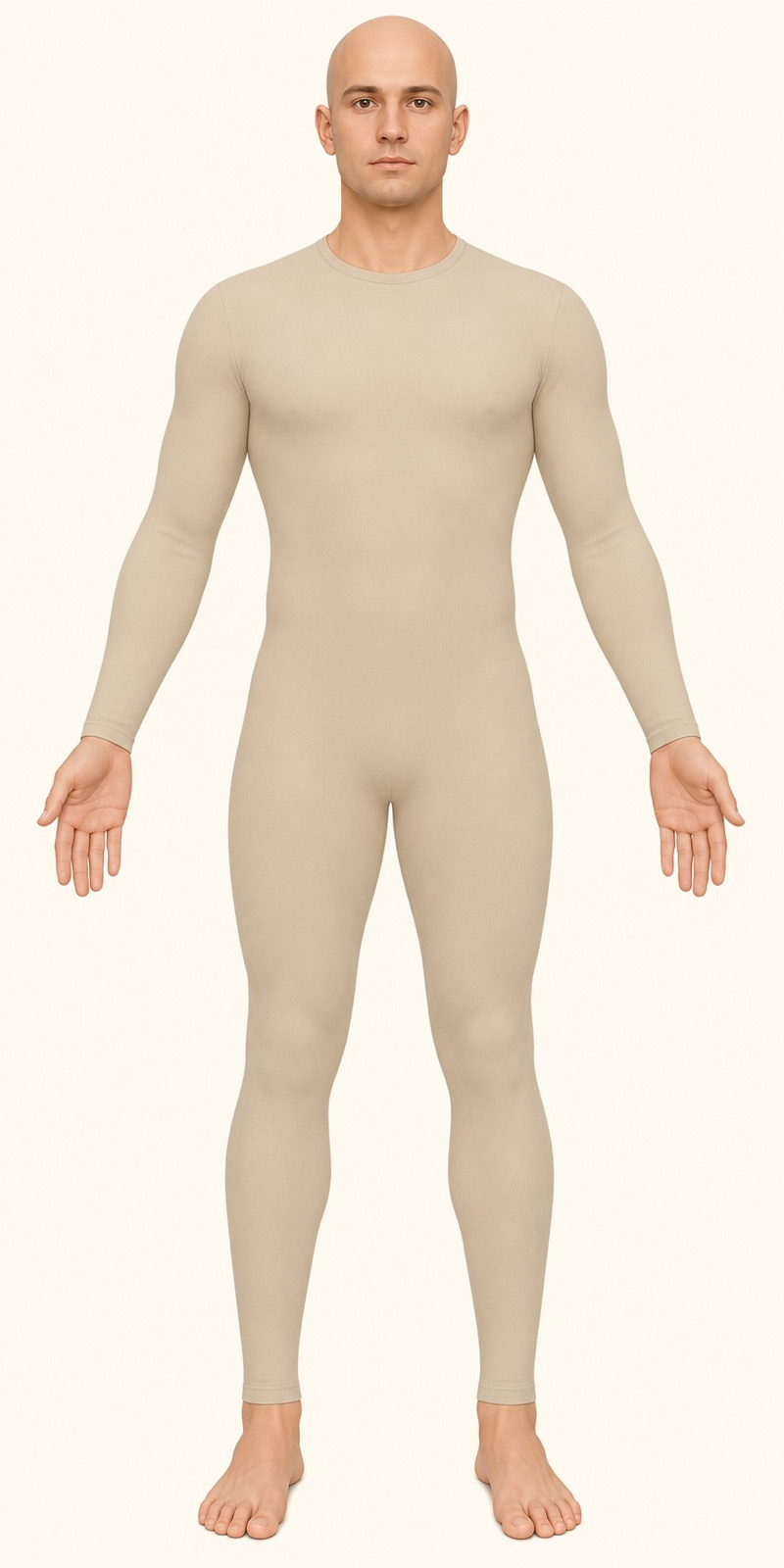 Acts body-wide rather than on one organ
The library groups this compound under Longevity. The diagram shows that target, not every tissue it reaches.
Illustrated
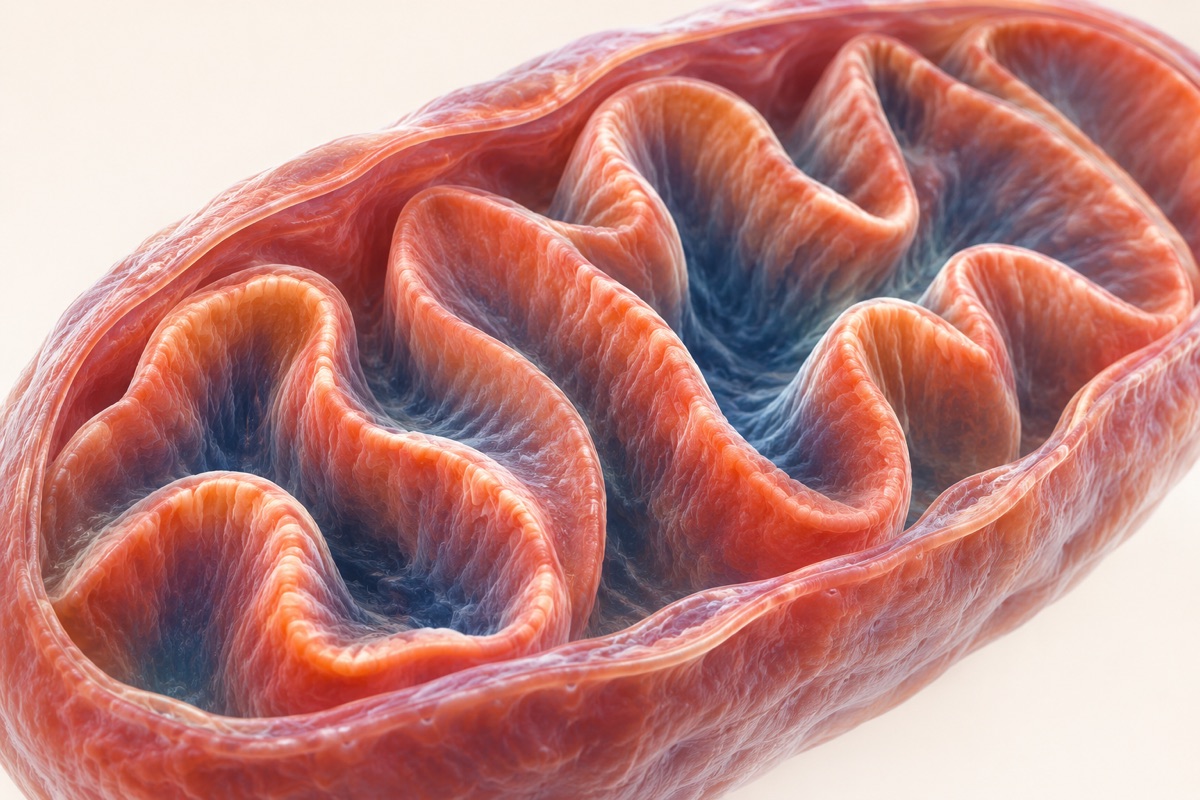
AI-generated subject illustration; not a depiction of the compound or evidence of its effects.
Why people take it
Reasons people seek it out — not a list of proven effects.
In practice Unapproved use
- IV infusions in longevity and wellness clinics, often multi-hour and expensive
- Subcutaneous injection at home as a cheaper alternative to clinic IVs
- Oral NR and NMN precursors are the mainstream route
- Widely used for jet lag, hangovers and general fatigue
Science hasn't caught up: Clinic IV NAD+ is a substantial industry built on evidence that has repeatedly failed to show benefit in people who are not deficient.
Reported real-world use, not evidence and not a recommendation.
Dosing
What was tested Evidence
- 250–1000 mg daily oral NR or NMN8–12 weeksMultiple human trials of precursors→ Reliably raised blood NAD+; effects on strength and metabolism small or absent
What people report using Not evidence
- IV infusions of 250–1000 mg over several hours in clinics
- 100–300 mg subcutaneous at home as a cheaper route
The trials that exist used oral precursors, not IV NAD+. The clinic infusions are the part without evidence.
Reported for reference, not as instruction. Nothing here is a recommendation to take anything, and most of these compounds are not approved for human use.
Status: Sold as a supplement and in infusion clinics. Human evidence for anti-aging benefit is still limited.
- Route
- IV infusion, subcutaneous injection, or oral NR/NMN precursors; also sold as a ready-made intranasal spray
- Formula
- C21H27N7O14P2
- Molecular weight
- 663.4 g/mol
- CAS
- 53-84-9
- Available as
- 500 mg
Search PubMed for NAD+ → We link a live search rather than a fixed citation list, so it stays current and nothing here is a reference we have not checked.
Educational information only. Nothing here is medical advice, a dosing protocol, or a recommendation to use any compound. Most entries describe substances not approved for human use. Talk to a licensed clinician before acting on anything you read here. How to read these entries.