L-Carnitine
Metabolic Supplement / supply Human trials
Also called Levocarnitine
Not a peptide — a small molecule the body makes from lysine and methionine. It is the shuttle that carries long-chain fatty acids into mitochondria to be burned, which is why it turns up in every fat-loss and endurance discussion.
Evidence at a glance
- Evidence
- Human trials — Studied in people
- Status
- Supplement or supply
- Dosing
- No human study has set a dose
Supplementing when you are not deficient has repeatedly shown little effect. Oral carnitine is also converted by gut bacteria into TMAO, a metabolite linked in observational work to cardiovascular risk.
What studies report
- Essential carrier in the carnitine shuttle, well established biochemistry
- Clear benefit in genuine carnitine deficiency
- Small or inconsistent effects on fat loss and performance in people who are not deficient
How it works
The shuttle of the carnitine cycle. It binds long-chain fatty acids so CPT1 and CPT2 can carry them across the mitochondrial membrane, which is the only route by which those fats can be burned.
Where it acts
 Pancreas
The library groups this compound under Metabolic. The diagram shows that target, not every tissue it reaches.
Illustrated
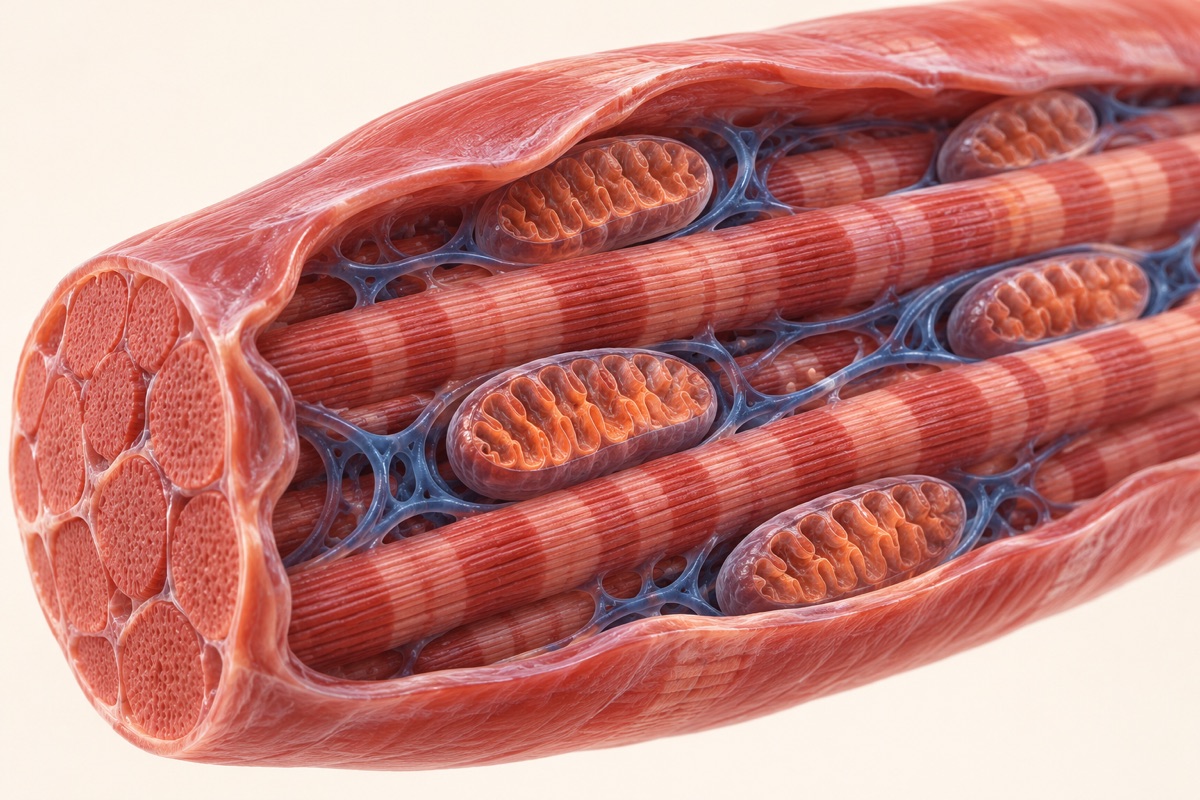
AI-generated subject illustration; not a depiction of the compound or evidence of its effects.
Why people take it
Reasons people seek it out — not a list of proven effects.
In practice Unapproved use
- Injected in bodybuilding circles during fat loss phases
- Taken orally by endurance athletes
Reported real-world use, not evidence and not a recommendation.
Status: Approved as a prescription medicine (Carnitor) for carnitine deficiency; otherwise a supplement.
- Route
- Oral, or injected in off-label use
- Formula
- C7H15NO3
- Molecular weight
- 161.20 g/mol
- CAS
- 541-15-1
- Available as
- 600 mg/mL
Search PubMed for L-Carnitine → We link a live search rather than a fixed citation list, so it stays current and nothing here is a reference we have not checked.
Educational information only. Nothing here is medical advice, a dosing protocol, or a recommendation to use any compound. Most entries describe substances not approved for human use. Talk to a licensed clinician before acting on anything you read here. How to read these entries.