KPV
Immune Research only Animal studies
Also called α-MSH (11-13)
The last three amino acids of alpha-melanocyte-stimulating hormone. It keeps much of that hormone's anti-inflammatory activity without causing skin darkening. It is studied mainly for gut inflammation such as colitis, and for skin inflammation.
Evidence at a glance
- Evidence
- Animal studies — Not yet studied in people
- Status
- Research compound only
- Dosing
- No human study has set a dose
Animal and cell data only.
What studies report
- Reduced colitis severity in mouse models, including when given orally
- Anti-inflammatory effects in skin, gut and joint models
- Keeps the anti-inflammatory action of alpha-MSH without skin darkening
How it works
The last three amino acids of alpha-MSH. It is carried into gut and immune cells by PepT1, a peptide transporter that is overexpressed in inflamed colon tissue, where it dampens NF-κB signalling. Being this short, it keeps the anti-inflammatory action without the melanocortin receptor binding that causes skin darkening.
Where it acts
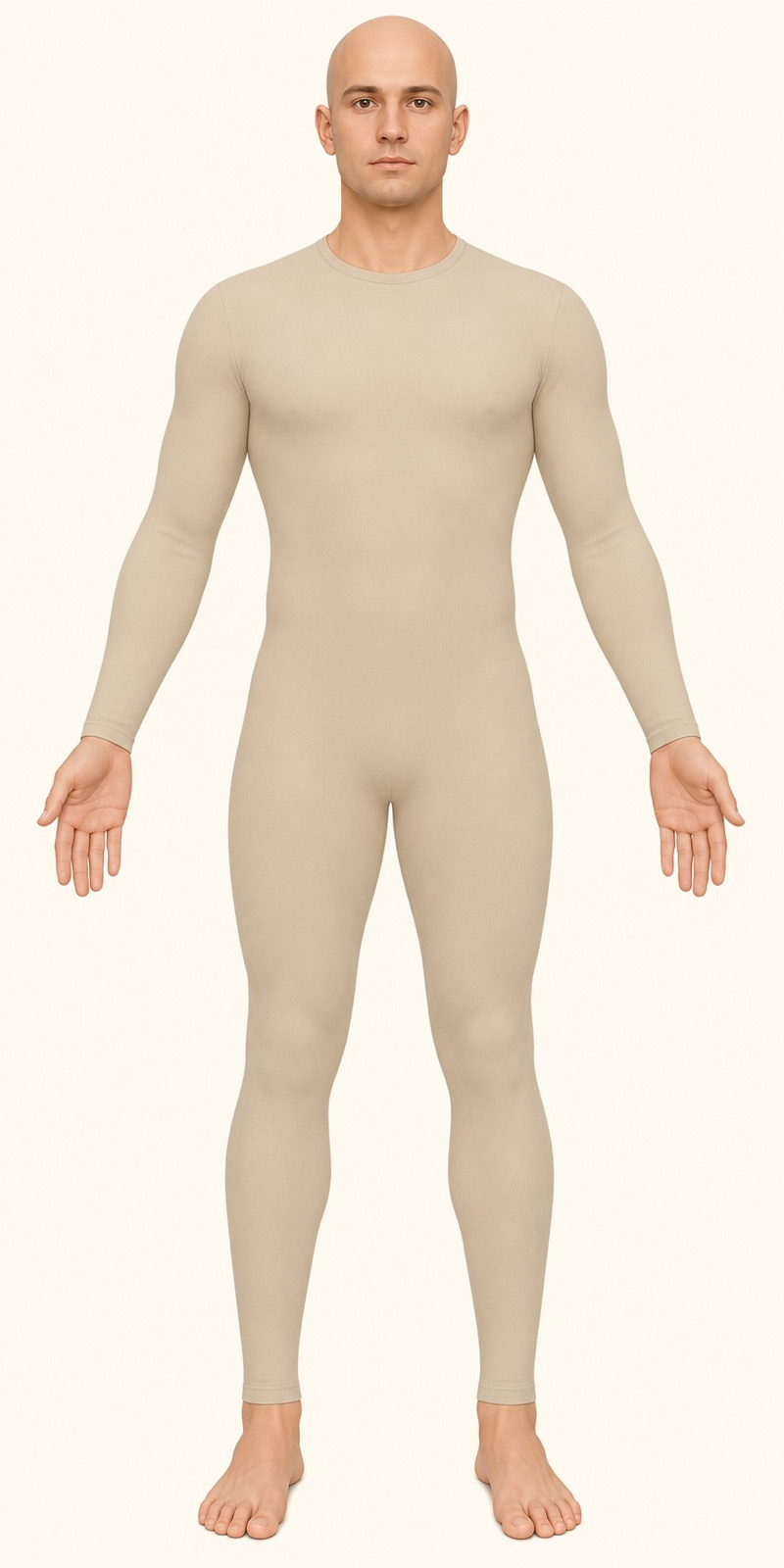 Thymus
The library groups this compound under Immune. The diagram shows that target, not every tissue it reaches.
Illustrated
AI-generated subject illustration; not a depiction of the compound or evidence of its effects.
Why people take it
Reasons people seek it out — not a list of proven effects.
In practice Unapproved use
- Taken orally in capsules for gut inflammation
- Applied topically for inflammatory skin conditions
- Popular in the inflammatory bowel community
- Appears in four-way pre-mixed blends with BPC-157, thymosin-β4 and GHK
Reported real-world use, not evidence and not a recommendation.
Dosing
No human study has established a dose for this compound.
What people report using Not evidence
- 200–500 mcg daily, oral capsules for gut use
- Topical for skin conditions
Animal and cell data only — no human dosing has been established.
Reported for reference, not as instruction. Nothing here is a recommendation to take anything, and most of these compounds are not approved for human use.
Status: Animal and cell research only.
- Route
- Oral capsule or topical; occasionally injected
- Sequence
- Lys-Pro-Val
- Formula
- C16H30N4O4
- Molecular weight
- 342.43 g/mol
- CAS
- 67727-97-3
- Available as
- 10 mg
Search PubMed for KPV → We link a live search rather than a fixed citation list, so it stays current and nothing here is a reference we have not checked.
Compared with
Side-by-side pages for the compounds this one is most often confused with or taken alongside.
Educational information only. Nothing here is medical advice, a dosing protocol, or a recommendation to use any compound. Most entries describe substances not approved for human use. Talk to a licensed clinician before acting on anything you read here. How to read these entries.