Humanin (HNG)
Longevity Research only Animal studies
Also called S14G-Humanin, HNG
Humanin is a small peptide encoded in mitochondrial DNA that protects cells from programmed death, in part by blocking the Bax protein. HNG is a version with one amino acid changed (serine 14 to glycine) that is far more potent. It is studied for protecting neurons, heart muscle, retina and blood vessel lining.
Evidence at a glance
- Evidence
- Animal studies — Not yet studied in people
- Status
- Research compound only
- Dosing
- No human study has set a dose
The association in people is observational. HNG itself has no human trials.
What studies report
- Protected neurons from amyloid toxicity in cell and mouse models
- Improved insulin sensitivity in rodents
- Higher natural levels associated with longer life in centenarian studies
How it works
Blocks Bax, the protein that punches holes in mitochondria to start programmed cell death. The HNG variant swaps one amino acid for a far more potent version of the natural peptide.
Where it acts
 Acts body-wide rather than on one organ
The library groups this compound under Longevity. The diagram shows that target, not every tissue it reaches.
Illustrated
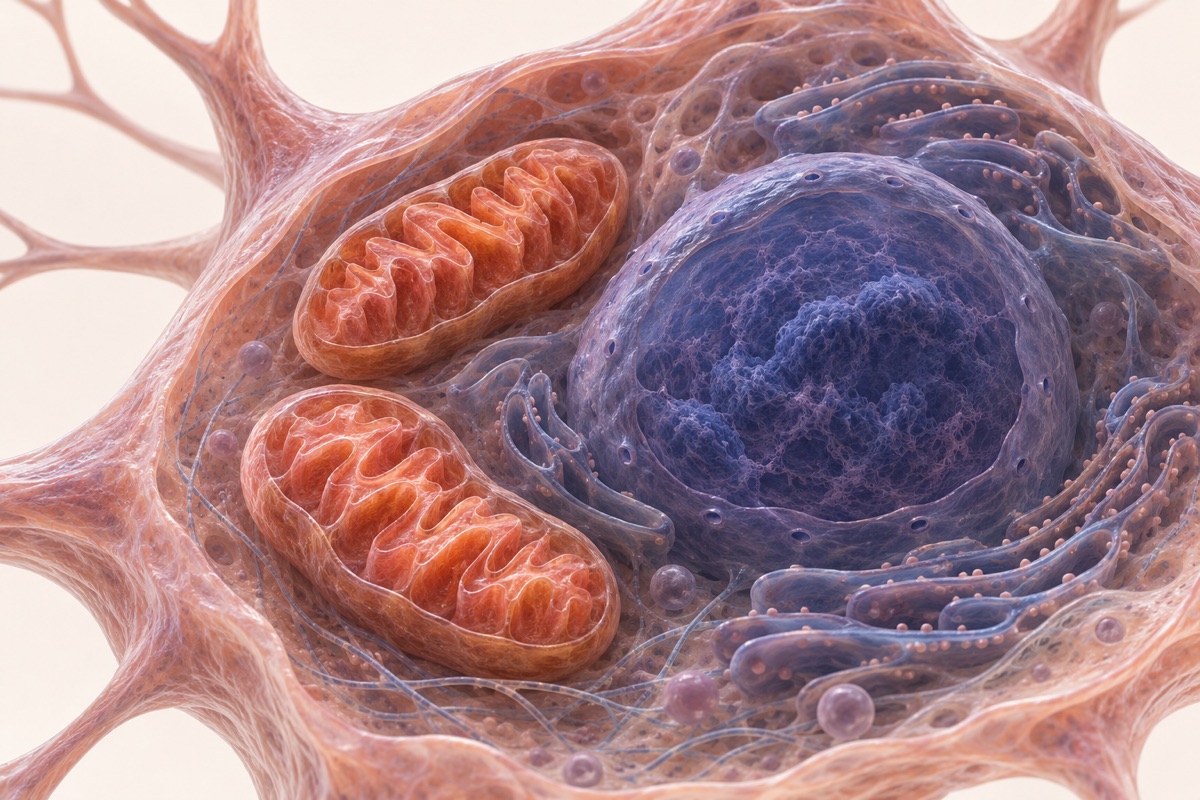
AI-generated subject illustration; not a depiction of the compound or evidence of its effects.
Why people take it
Reasons people seek it out — not a list of proven effects.
In practice Unapproved use
- A niche longevity-community compound, limited by cost and availability
Reported real-world use, not evidence and not a recommendation.
Status: Cell and animal research only.
- Route
- Subcutaneous injection, from reconstituted lyophilised powder
- Sequence
- Met-Ala-Pro-Arg-Gly-Phe-Ser-Cys-Leu-Leu-Leu-Leu-Thr-Gly-Glu-Ile-Asp-Leu-Pro-Val-Lys-Arg-Arg-Ala
- CAS
- 330936-70-4
- Available as
- 10 mg
Search PubMed for Humanin (HNG) → We link a live search rather than a fixed citation list, so it stays current and nothing here is a reference we have not checked.
Educational information only. Nothing here is medical advice, a dosing protocol, or a recommendation to use any compound. Most entries describe substances not approved for human use. Talk to a licensed clinician before acting on anything you read here. How to read these entries.