Thymulin
Immune Research only Animal studies
Also called Serum thymic factor, Nonathymulin, FTS
A nine-amino-acid hormone made by the thymus that needs zinc to be active. It helps T cells mature and has anti-inflammatory and pain-modulating effects in animal studies. Levels fall steadily with age and with zinc deficiency.
Evidence at a glance
- Evidence
- Animal studies — Not yet studied in people
- Status
- Research compound only
- Dosing
- No human study has set a dose
Animal data. Zinc status confounds much of the older work.
What studies report
- Reduced inflammatory pain in animal models
- Supports T-cell maturation; activity depends on zinc
- Levels fall with age and with zinc deficiency
How it works
A thymus hormone that only works when bound to zinc. It supports T-cell maturation and has separate effects on inflammatory pain signalling. Zinc deficiency inactivates it, which confounds much of the older literature.
Where it acts
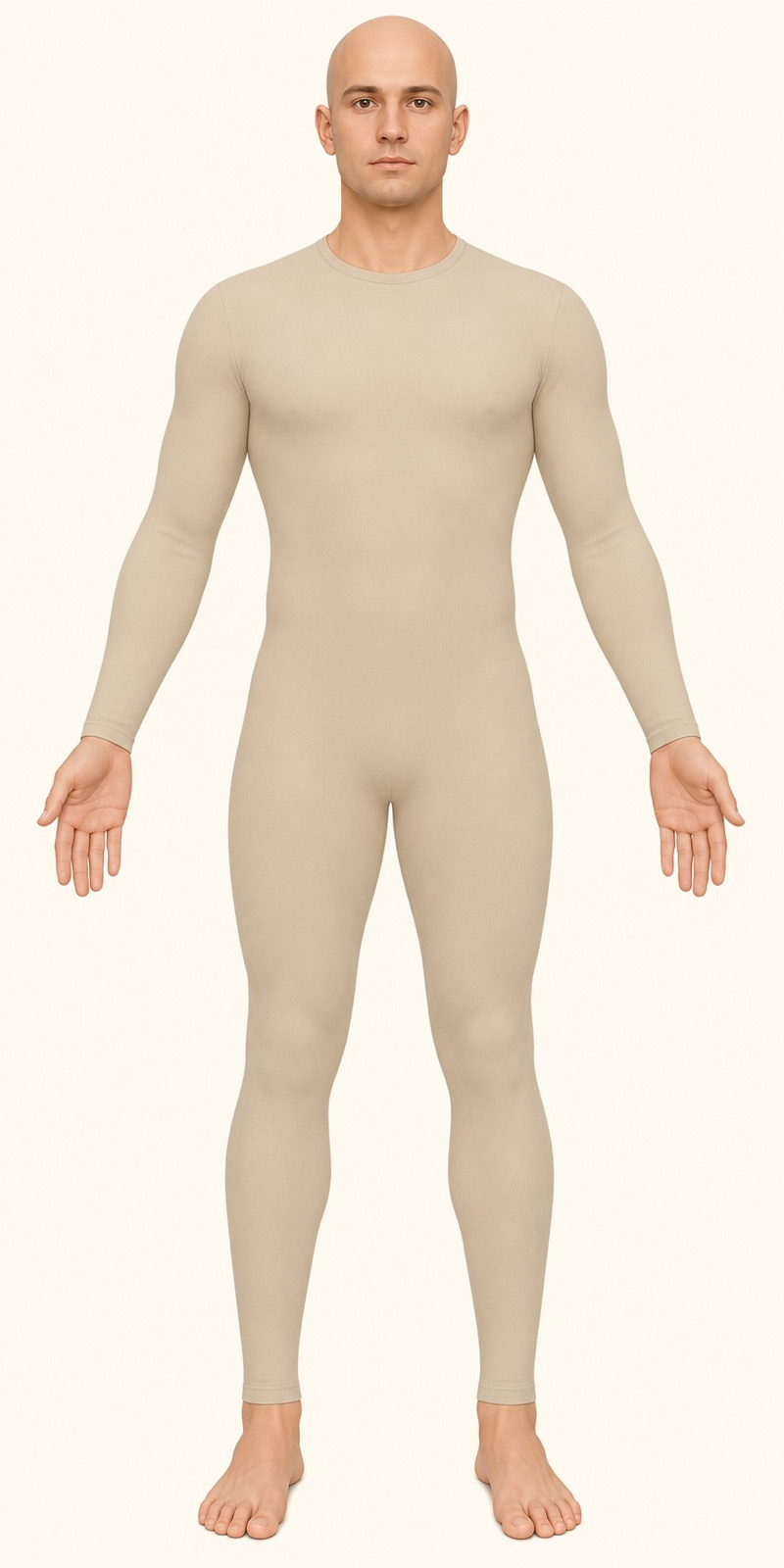 Thymus
The library groups this compound under Immune. The diagram shows that target, not every tissue it reaches.
Illustrated
AI-generated subject illustration; not a depiction of the compound or evidence of its effects.
Why people take it
Reasons people seek it out — not a list of proven effects.
In practice Unapproved use
- Rarely used outside research settings
Reported real-world use, not evidence and not a recommendation.
Dosing
No human study has established a dose for this compound.
What people report using Not evidence
- Rarely used outside research
Its activity depends on zinc status, which confounds any dosing discussion.
Reported for reference, not as instruction. Nothing here is a recommendation to take anything, and most of these compounds are not approved for human use.
Status: Animal and cell research. Not approved.
- Route
- Subcutaneous injection, from reconstituted lyophilised powder
- Sequence
- pGlu-Ala-Lys-Ser-Gln-Gly-Gly-Ser-Asn
- Formula
- C33H54N12O15
- Molecular weight
- 858.9 g/mol
- CAS
- 63958-90-7
- Available as
- 20 mg
Search PubMed for Thymulin → We link a live search rather than a fixed citation list, so it stays current and nothing here is a reference we have not checked.
Educational information only. Nothing here is medical advice, a dosing protocol, or a recommendation to use any compound. Most entries describe substances not approved for human use. Talk to a licensed clinician before acting on anything you read here. How to read these entries.