SNAP-8
Skin & hair Research only Human trials
Also called Acetyl octapeptide-3, Acetyl glutamyl heptapeptide-1
An eight-amino-acid cosmetic peptide extended from Argireline. It interferes with the SNARE protein complex that nerve endings use to release acetylcholine, softening the muscle contractions that etch expression lines — the same pathway botulinum toxin blocks, far more weakly and from the outside.
Evidence at a glance
- Evidence
- Human trials — Studied in people
- Status
- Research compound only
- Dosing
- No human study has set a dose
Most of the efficacy data comes from the companies selling it, and a large peptide struggles to penetrate skin to reach nerve endings at all. Effects, where present, are modest.
What studies report
- Reduced wrinkle depth in manufacturer-run topical studies
- Interferes with SNARE complex formation in cell assays
How it works
Interferes with the SNARE complex that nerve endings assemble to release acetylcholine, softening the contractions that etch expression lines — the same pathway botulinum toxin blocks, far more weakly and from outside the skin.
Where it acts
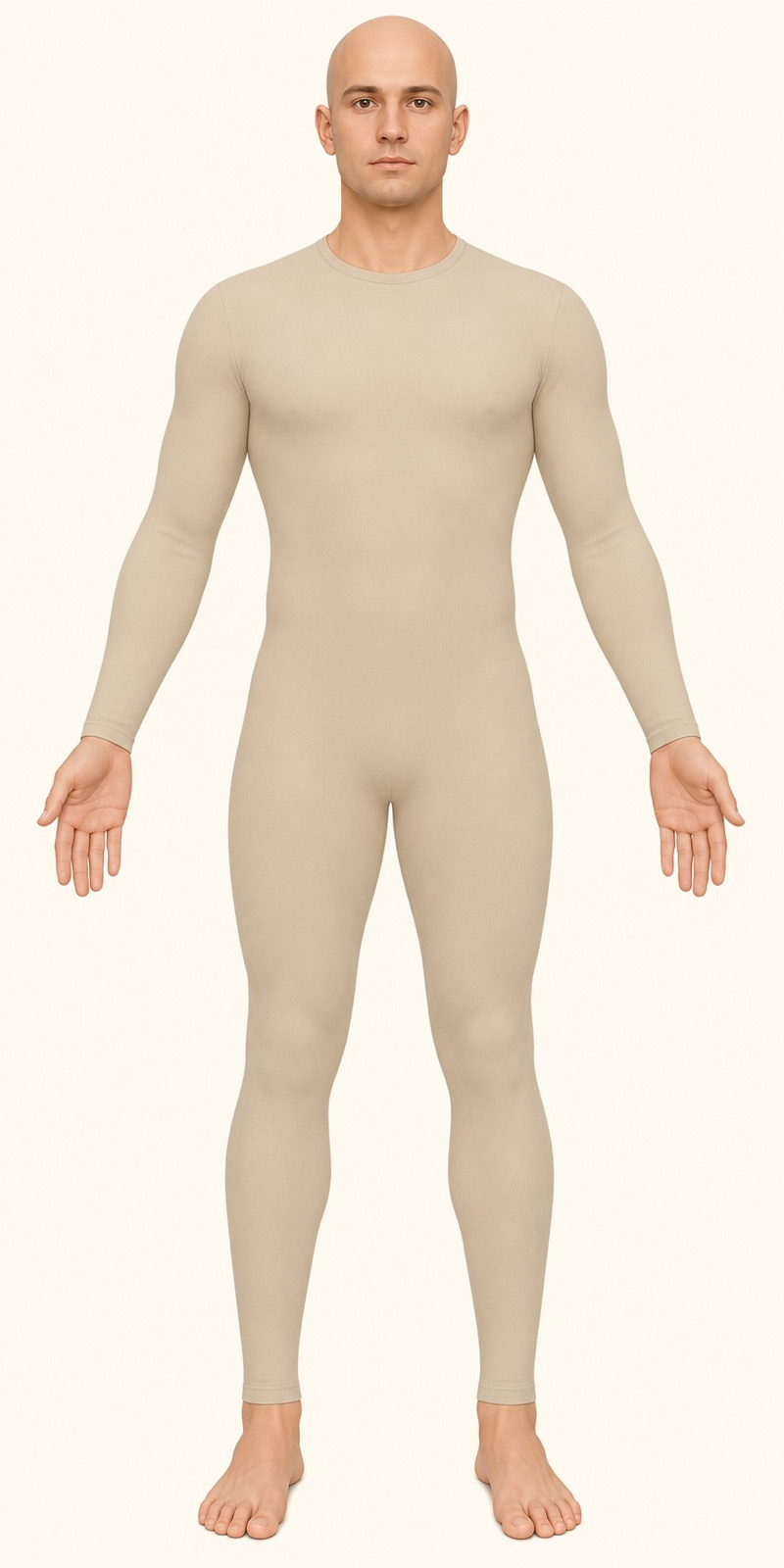 Acts in the skin, throughout the body
The library groups this compound under Skin & hair. The diagram shows that target, not every tissue it reaches.
Illustrated

AI-generated subject illustration; not a depiction of the compound or evidence of its effects.
Why people take it
Reasons people seek it out — not a list of proven effects.
In practice Unapproved use
- Found in ordinary over-the-counter anti-aging skincare
Reported real-world use, not evidence and not a recommendation.
Status: Used in topical cosmetics. Not a medicine.
- Route
- Topical, in cosmetic formulations
- Sequence
- Ac-Glu-Glu-Met-Gln-Arg-Arg-Ala-Asp-NH2
- Available as
- 10 mg
Search PubMed for SNAP-8 → We link a live search rather than a fixed citation list, so it stays current and nothing here is a reference we have not checked.
Educational information only. Nothing here is medical advice, a dosing protocol, or a recommendation to use any compound. Most entries describe substances not approved for human use. Talk to a licensed clinician before acting on anything you read here. How to read these entries.