GHK-Cu
Skin & hair Research only Human trials
Also called Copper tripeptide-1, Copper peptide
GHK bound to a copper ion. It is one of the best-studied cosmetic peptides, linked to collagen and elastin production, wound healing, antioxidant effects and hair follicle support. Copper delivery into cells is thought to be part of how it works.
Evidence at a glance
- Evidence
- Human trials — Studied in people
- Status
- Research compound only
- Dosing
- A dose has been tested in humans
The good human evidence is for creams and serums on skin, not for injection.
What studies report
- Improved skin firmness, density and wrinkle depth in controlled topical trials
- Faster wound closure in animal and some human wound studies
- Thicker hair and more follicles in small topical studies
How it works
Activates fibroblasts to produce collagen and hyaluronic acid, restoring skin thickness, and shifts expression of a broad set of tissue-remodelling genes.
Where it acts
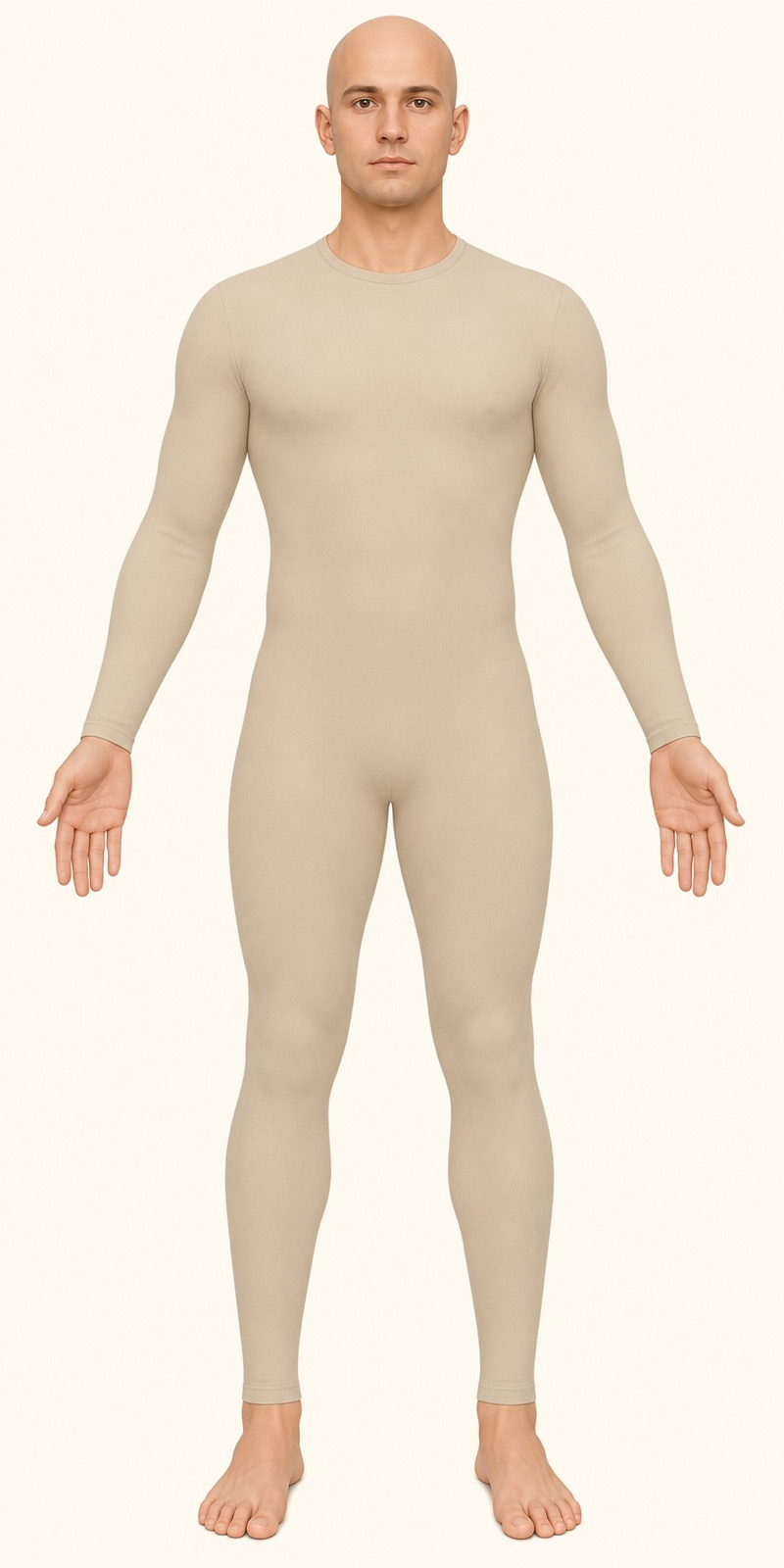 Acts in the skin, throughout the body
The library groups this compound under Skin & hair. The diagram shows that target, not every tissue it reaches.
Illustrated
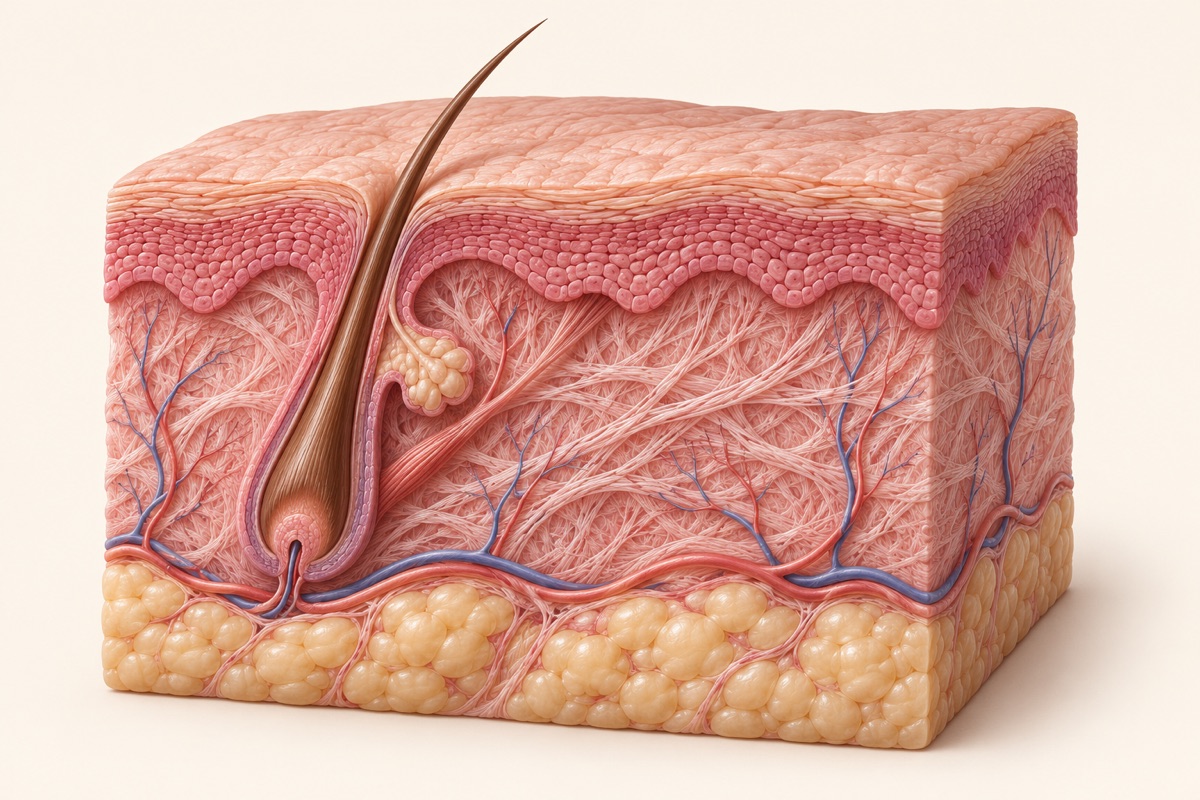
AI-generated subject illustration; not a depiction of the compound or evidence of its effects.
Why people take it
Reasons people seek it out — not a list of proven effects.
In practice Unapproved use
- By far the most mainstream compound here — it is in ordinary retail skincare
- Applied topically daily in serums for skin texture and firmness
- Used with microneedling and after cosmetic procedures
- Scalp application for hair thinning is common
Reported real-world use, not evidence and not a recommendation.
Dosing
What was tested Evidence
- 1–2% in a topical cream, twice daily12 weeksControlled facial skincare trials→ Improved skin density, firmness and wrinkle depth
What people report using Not evidence
- Topical daily use is the well-evidenced route
- Injected and microneedled use is off-label and has no trial support
Reported for reference, not as instruction. Nothing here is a recommendation to take anything, and most of these compounds are not approved for human use.
Status: Widely used in topical skincare. Injected use is not approved.
- Route
- Topical in skincare; injected or microneedled in off-label use
- Sequence
- Gly-His-Lys · Cu²⁺
- Formula
- C14H24CuN6O4
- Molecular weight
- 403.9 g/mol
- CAS
- 89030-95-5
- Available as
- 50 mg, 100 mg
Search PubMed for GHK-Cu → We link a live search rather than a fixed citation list, so it stays current and nothing here is a reference we have not checked.
Compared with
Side-by-side pages for the compounds this one is most often confused with or taken alongside.
Educational information only. Nothing here is medical advice, a dosing protocol, or a recommendation to use any compound. Most entries describe substances not approved for human use. Talk to a licensed clinician before acting on anything you read here. How to read these entries.